Meet Japan’s Mischievous Shapeshifter
Clever. Comical. Occasionally crude. The tanuki—one of Japan’s most beloved yōkai (supernatural creatures)—has been confusing and delighting people for centuries. Known for their shapeshifting powers, big bellies, and even bigger testicles (yes, really), these magical tricksters are far more than just cute raccoon-dogs.
In this week’s episode of the Supernatural Japan podcast, we dive into the fascinating world of the tanuki, exploring ancient legends, wild transformations, and the blurred line between nature spirit and folklore clown.
🎧 Listen to the episode now: Japanese Yōkai: The Tanuki – Japan’s Shapeshifting Trickster → [Listen to the Episode]
What Is a Tanuki?
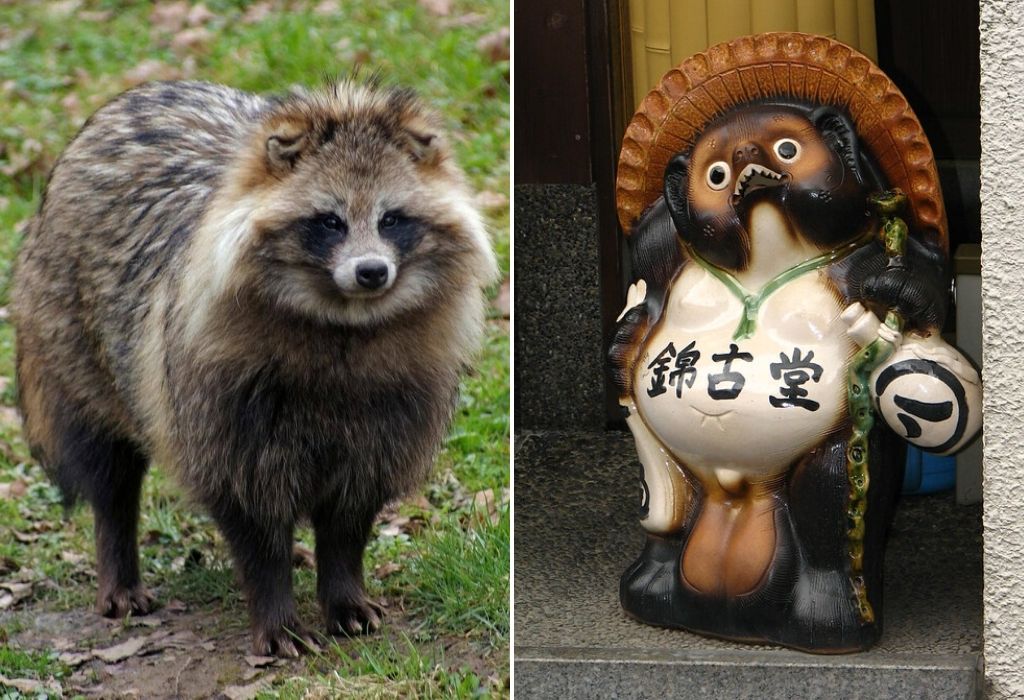
In the real world, a tanuki is a species of raccoon dog native to Japan. But in folklore, the tanuki is a magical creature capable of shape-shifting into human forms, objects, or even other animals.
Unlike malevolent yōkai like oni or kappa, tanuki are generally mischievous but not evil. Their pranks tend to be lighthearted—though sometimes disruptive—and often involve illusions, mistaken identities, and magical transformations that leave villagers scratching their heads.
Tanuki Traits in Japanese Folklore
- 🎩 Shapeshifting Abilities: Tanuki can turn into monks, teapots, umbrellas, or even entire buildings. Some stories describe tanuki transforming leaves into fake money or food to trick greedy merchants.
- 🍶 Lovers of Sake: A common theme in tanuki tales is their love of drinking and partying. They’re often seen around village inns or rural roads, causing mischief under the influence.
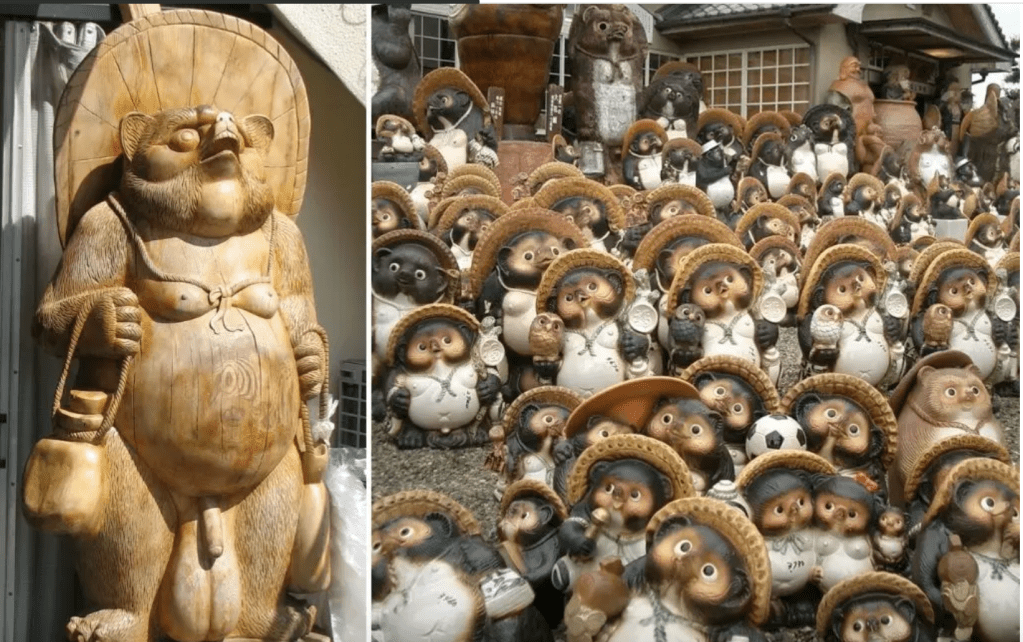
- 🪙 Big Bellies & Bigger… Assets: Often depicted with exaggerated body parts, especially their enormous bellies and testicles, tanuki are symbols of prosperity, humor, and fertility. Statues outside shops are meant to bring good luck and attract customers.
- 🎭 Deceivers with a Moral: Though mischievous, tanuki stories often carry hidden lessons—warning against greed, pride, or dishonesty.
Tanuki in Japanese Culture Today
While ancient tales once depicted tanuki as powerful and sometimes fearsome, modern Japan tends to view them more affectionately—as comical figures of folklore. You’ll spot tanuki statues outside restaurants, temples, and even convenience stores, holding bottles of sake and wearing straw hats, inviting good fortune and business.
They’ve also appeared in anime (Pom Poko), manga, and video games (Super Mario Bros. 3’s Tanooki Suit is directly inspired by this yōkai!).
But don’t be fooled—beneath the playful exterior lies a spirit steeped in deep cultural and spiritual tradition.
Listen to the Full Story on Supernatural Japan
In this episode, we explore:
- The origins of tanuki in ancient Japanese texts
- Their connection to Shinto and Buddhist traditions
- Real-life places in Japan associated with tanuki legends
- Modern sightings and urban legends that keep their myth alive
🎙️ Episode Title: Japanese Yōkai: The Tanuki – Japan’s Shapeshifting Trickster
🔗 Listen on: Apple Podcasts | Spotify |
Want to Meet a Tanuki?
Here are a few places in Japan where tanuki legends (and statues) abound:
- 🦝 Shigaraki, Shiga Prefecture: Famous for its ceramic tanuki statues
- ⛩️ Chingodo Shrine, Asakusa (Tokyo): A small shrine devoted to tanuki worship
- 🌲 Tales from Mt. Takao (Tokyo): Said to be home to mystical creatures including tanuki and tengu
The Tanuki…in the end
Whether you’re fascinated by Japan’s supernatural traditions or just love a good trickster tale, the tanuki remains one of the most memorable creatures in the country’s rich folklore tapestry.
From wild transformations to drunken pranks, the tanuki reminds us that not all spirits haunt or harm—some just want to have a good time.
For more deep dives into Japanese ghost stories, yōkai, and folklore, don’t forget to subscribe to the Supernatural Japan podcast. Every episode explores the eerie, the mysterious, and the hidden side of Japan’s spiritual world.
🔮 Subscribe Now: [Join the amazing podcast crew]